
Media
As a contributing writer for Columbia Journalism Review, I cover the business of media, press freedom, and the efforts of our profession’s most storied institutions to adapt to the digital age.

Featured Reporting
Columbia Journalism Review, June 2026
“In a national environment that has politicized the very notion of accountability journalism, and amid a reordering of the media ecosystem that has devastated community reporting, many local officials are freezing journalists out for asking even the most basic questions. ‘Local officials are taking their cue from President Trump. They’re realizing, “Shoot, I can just tell them to go pound sand! I don’t have to respond to them,”’ David Cuillier, the director of the Freedom of Information Project at the University of Florida, said. ‘I can even put them down. And there’s nothing they can do about it.’”
Go Pound Sand!
Almost Persuaded
Columbia Journalism Review, August 2026
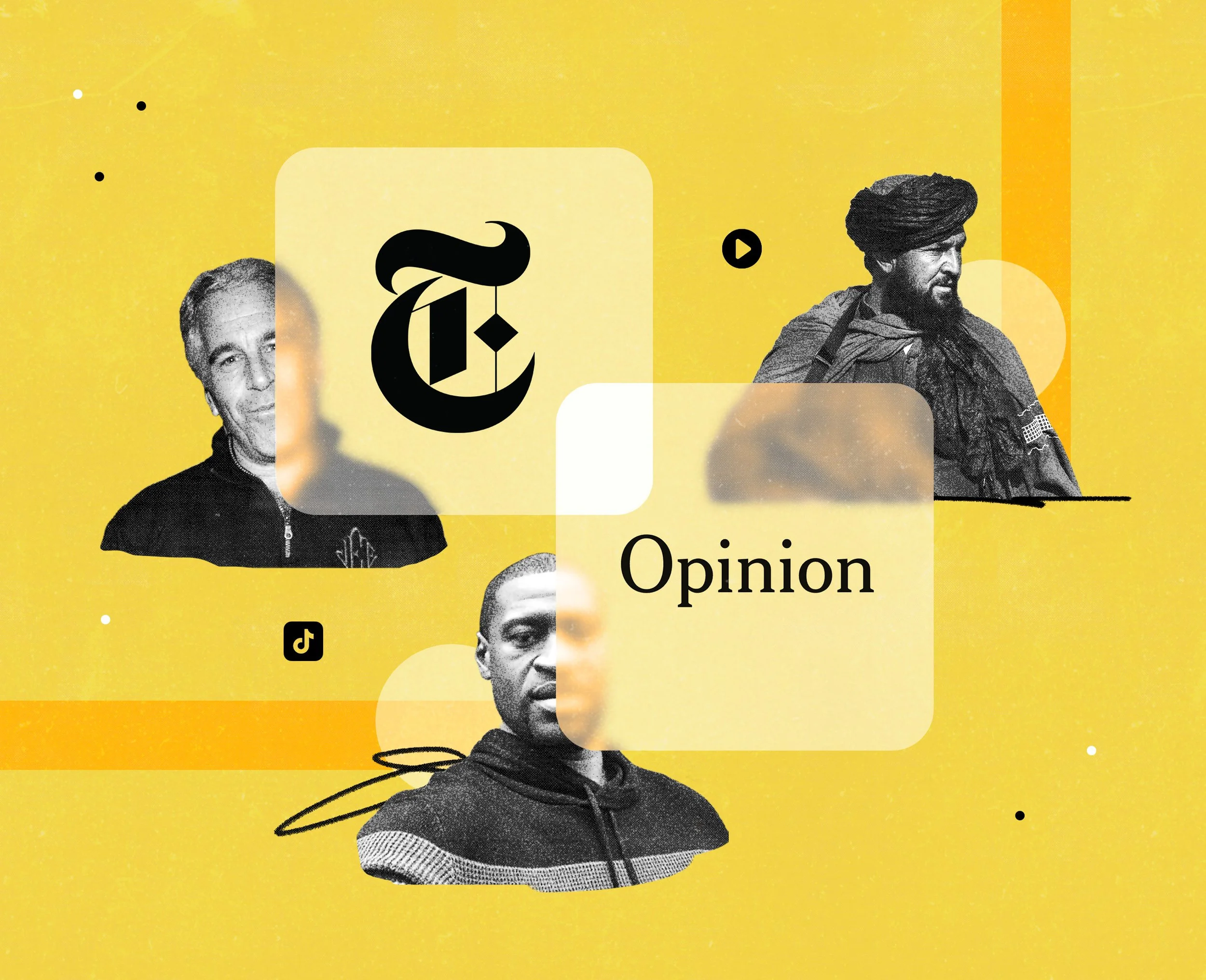
“As I spoke with editors, writers, and producers for the New York Times Opinion section, it became clear how much stress the desk’s expansion has put on the so-called firewall between it and the newsroom…. Whether it be in a reported article or video dispatch, Opinion writers and newsroom reporters are increasingly producing overlapping work. Michelle Goldberg’s coverage of the fight for the soul of the Democratic Party—from Maine to Michigan to New Jersey—parallels the reporting of the Times’ Washington bureau, just as M. Gessen’s dispatches from Ukraine and the West Bank do the newsroom’s international efforts. Muddying the matter further, reporters on the other side of the firewall occasionally produce articles labeled ‘news analysis,’ while writers for the Sunday magazine can make forceful arguments. How is the audience supposed to distinguish one section from the other? “

A New Normal
Columbia Journalism Review, October 2024
“Recent history, Trump’s ongoing court battles, and the lines drawn against the press by members of his former administration in Project 2025 set the stage for a prosecutor to argue that practically all presidential communications qualify as national defense information, since they are covered by executive privilege. Should the courts agree with that interpretation, it would be not just reporters who cover the intelligence community or the Pentagon who would risk prosecution for espionage, but everyone in the White House press corps.”

Columbia Journalism Review, December 2025
“Over the past two decades, as American voters have migrated online, each election cycle has followed their drift. The “internet election” of 2008 begot the “Twitter election” of 2016 and the “podcast election” of 2024. Politicians have increasingly relied on social platforms as a way to reach voters directly and become less dependent on the television, radio, and newspaper interviews of traditional media. This new relationship between politicians and their audiences—what you might call a direct-to-consumer model—leaves the Fourth Estate out of the equation. ”
The Direct-to-Consumer Playbook

More Clips
“CNN’s Missed Opportunity,” CJR, March 2026
“Brendan Carr’s Deregulation Blitz Is a Disaster for TV News,” CJR, October 2025
“The Fight for Free Speech Goes Corporate,” CJR, July 2025
“The Legal Battle for DOGE Transparency,” CJR, April 2025
“Trump Wins, the Press Loses,” CJR, November 2024
“The NBA is Blithely Back to Business as Usual,” CJR, March 2021
“Praising Arizona,” CJR, June 2020
Press Rogue column, Harper’s, 2019